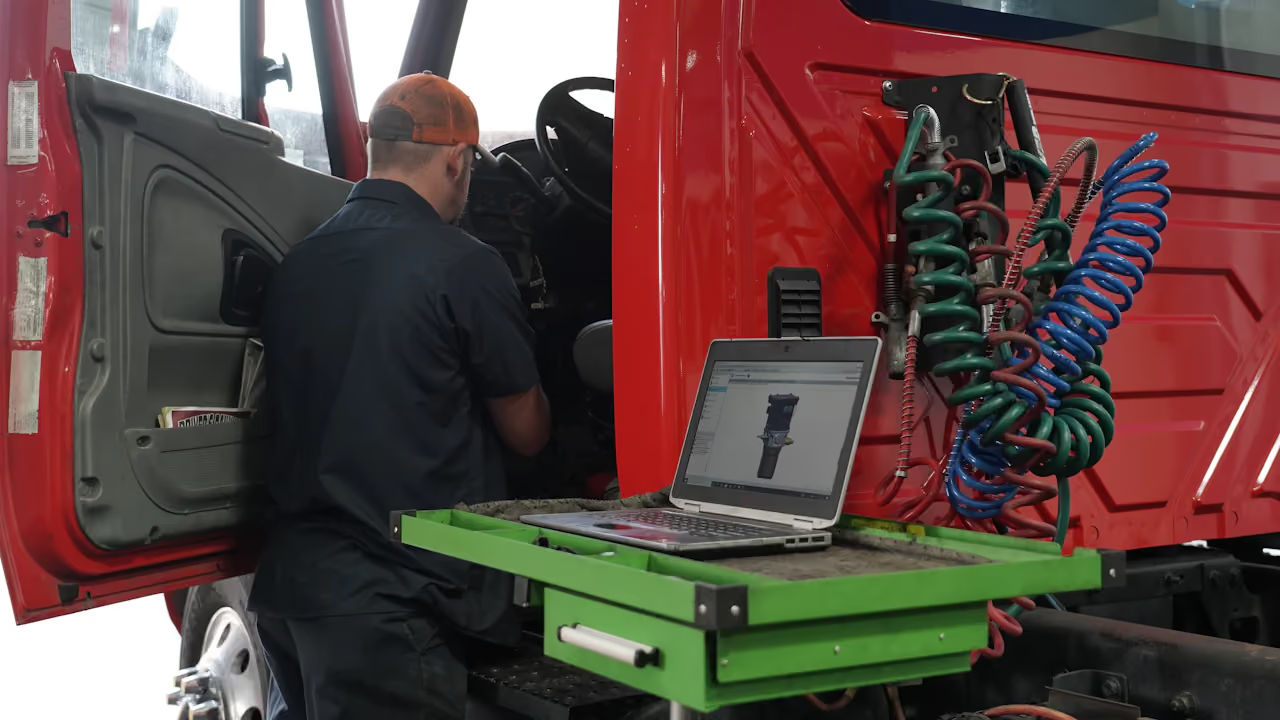
It’s easy to jump to conclusions when your diesel engine starts acting up. Maybe it's a bad injector. Maybe it's the turbocharger. Or maybe it's just a sensor. The problem is that making assumptions during the diagnostic process often leads to unnecessary repairs, wasted money, and extended downtime.
Modern diesel engines rely on complex electronic controls, fuel systems, air management components, and emissions equipment that all work together. A fault in one system can trigger symptoms that appear to be something entirely different. That's why proper engine diagnostics are essential before replacing expensive parts.
Here are eight common diagnostic mistakes you should avoid if you want to keep your truck reliable and your repair bills under control.
1. Replacing Parts Before Confirming the Root Cause
When it comes to big mistakes in diesel repairs, replacing components often comes up simply because they're commonly associated with a trouble code.
For example, a fault code related to the EGR system doesn't automatically mean the EGR valve has failed. The issue could be caused by wiring problems, clogged passages, faulty sensors, or another component affecting system performance.
A thorough diagnosis includes:
- Reading diagnostic trouble codes
- Reviewing live engine data
- Performing electrical testing
- Inspecting related components
- Confirming the failure before installing new parts
This systematic approach prevents unnecessary diesel repairs and helps ensure the correct issue is fixed the first time.
2. Ignoring Basic Visual Inspections
High-tech diagnostic equipment is incredibly valuable, but it shouldn't replace a careful visual inspection.
Simple problems like:
- Loose electrical connectors
- Damaged wiring
- Split charge air hoses
- Fuel leaks
- Broken vacuum lines
These can create symptoms that mimic major engine failures.
Taking a few extra minutes to inspect the engine compartment often reveals problems that diagnostic software alone cannot identify.
3. Assuming Every Check Engine Light Means Major Engine Damage
A check engine light doesn't always indicate catastrophic failure.
Modern diesel engines monitor hundreds of operating conditions using sensors connected to the Engine Control Module (ECM). Sometimes the issue is relatively minor, while other times it requires immediate attention. The only way to know is through proper engine diagnostics.
Ignoring warning lights can allow small problems to become expensive failures, but assuming the worst without testing can be equally costly.
4. Overlooking Fuel System Problems
Your fuel system is one of the most critical components of a diesel engine. Even minor issues with fuel quality or pressure can cause symptoms that mimic injector or turbocharger failures.
Common fuel-related issues include:
- Contaminated diesel fuel
- Restricted fuel filters
- Weak fuel pumps
- Air entering the fuel system
- Low fuel pressure
Before replacing expensive injectors, technicians should verify that the entire fuel delivery system is operating correctly.
5. Misinterpreting Sensor Data
Modern engines depend on dozens of sensors to regulate combustion, fuel delivery, boost pressure, and emissions performance. According to diesel engine operating principles, the ECM continuously monitors these inputs to optimize engine performance and reliability.
However, a sensor reading outside its normal range doesn't always mean the sensor itself has failed.
For example, a faulty wiring connection, poor ground, or another mechanical issue can produce inaccurate readings that mislead the diagnostic process.
Understanding how each sensor interacts with the overall engine system is essential for accurate repairs.
6. Skipping Air Intake and Turbocharger Inspections
A diesel engine needs the proper balance of clean air and fuel to operate efficiently. The intake system includes components like the air filter, turbocharger, intercooler, intake piping, and boost sensors, all of which affect engine performance.
Problems such as:
- Dirty air filters
- Charge air leaks
- Damaged turbo hoses
- Boost leaks
- Restricted intercoolers
can cause:
- Poor acceleration
- Excessive smoke
- Reduced power
- Lower fuel economy
Without checking the complete air system, it's easy to misdiagnose these symptoms.
7. Forgetting About the Emissions System
Today's diesel engines rely heavily on emissions equipment to meet environmental regulations.
Components like the:
- Diesel Particulate Filter (DPF)
- Selective Catalytic Reduction (SCR) system
- Diesel Exhaust Fluid (DEF) system
- Exhaust Gas Recirculation (EGR) system
Each of these components influences engine operation.
When one of these systems malfunctions, the ECM may reduce engine power or trigger warning lights. Since many emissions-related faults affect overall engine performance, diagnosing these systems correctly is critical before replacing unrelated engine components.
8. Delaying Professional Diagnostics
One of the costliest mistakes is continuing to operate a truck despite obvious symptoms.
Signs that should never be ignored include:
- Hard starting
- Loss of power
- Excessive exhaust smoke
- Poor fuel economy
- Unusual engine noises
- Frequent regeneration cycles
- Check engine lights
Small problems often grow into major repairs when left unresolved. A failing sensor today could eventually damage injectors, turbochargers, or aftertreatment components if ignored.
Scheduling professional engine diagnostics early can significantly reduce repair costs while helping avoid unexpected breakdowns.
Why Accurate Engine Diagnostics Matter
Diesel engines are designed to produce tremendous power through precise combustion, fuel injection, air management, and electronic controls working together. When one component begins to fail, it often affects several other systems before noticeable symptoms appear.
Accurate diagnostics help technicians:
- Identify the actual cause of the problem
- Reduce unnecessary parts replacement
- Minimize downtime
- Improve engine performance
- Protect expensive engine components
- Extend vehicle lifespan
Rather than guessing, experienced technicians follow a structured diagnostic process that ensures repairs address the real issue.
Avoiding these common engine diagnostic mistakes can save you thousands in unnecessary diesel repairs. Modern diesel engines are highly sophisticated, and many symptoms can have multiple possible causes. Careful testing, complete system inspections, and accurate diagnostics are always more cost-effective than replacing parts based on assumptions.
If your truck is showing warning signs, don't wait for the problem to become worse. Having the issue properly diagnosed early can help protect your investment, reduce downtime, and keep your equipment operating at peak performance.
Ready to get your truck back on the road with confidence? Contact M&P Onsite Services for professional engine diagnostics and expert diesel repair solutions that identify the root cause before it becomes a costly breakdown.